Business owners face a reality that’s pretty new – a company’s sustainability performance matters just as much for their online reputation as product quality or customer service does. One environmental mistake or a labor issue can set off a wave of negative reviews and social media backlash and tank sales within a few hours. The details that businesses used to tuck away in their annual reports don’t stay hidden anymore. Everything comes up straight away in the search results and in the conversations that customers have about your business.
Your partners want to see your ESG credentials before they sign any contracts with you. Investors need to review your sustainability data before they’re willing to put their money in. Even job candidates are taking the time to look through your environmental and social track record before they accept a job offer. Reputation management looks quite a bit different than it did a few years ago – sustainability scores now appear right alongside your traditional brand metrics and carry just as much weight when customers are sizing up your company.
When customers search for your company, your ESG performance changes what they find and how you rank in those results. Buyers check out a brand’s sustainability track record before they buy – it’s become a standard part of the research process. If your ESG performance isn’t where it should be, your search rankings are going to take a hit. Social media can spread any sustainability win or misstep to thousands of followers in a matter of hours! B2B partners are looking at your ESG data too, and usually long before they contact you to talk about a deal. You’ll have to take care of your reputation around these topics, and with the right strategy, you can turn your sustainability work into an advantage that sets you apart from the competition.
Let’s talk about how ESG scores are shaping your business’s online reputation!
ESG Scores Are Now Public Knowledge
ESG scores are put together by rating agencies that specialize in this type of evaluation. Big names like MSCI and Sustainalytics are the main players in this space and pull data from public reports, company filings and any information that businesses want to share with them. After they pull everything together, they assign each company a score that works like a report card, with ratings that go from great to terrible.
A few years back, these scores were tucked away in the quarterly reports that investors and financial analysts would occasionally read through. Now, when someone searches for your business name, these ratings show up in the search results. Review sites display them, and comparison websites list them, and you’ll find them all over the web. Plenty of businesses have actually started featuring their ESG ratings right on the homepage. Customers want this information, so businesses are making it easy for them to find.
This change didn’t happen overnight – it’s taken about 5 years to actually develop, and it happened because everyday consumers finally gained access to the company data that used to cost money. Information that would have needed an expensive subscription to a financial database 10 years ago can now be pulled up in a basic Google search. Your ESG performance used to be tucked away in a PDF document that hardly anyone bothered to read. Now it’s displayed right alongside your customer reviews and product listings, where anyone and everyone can find it.
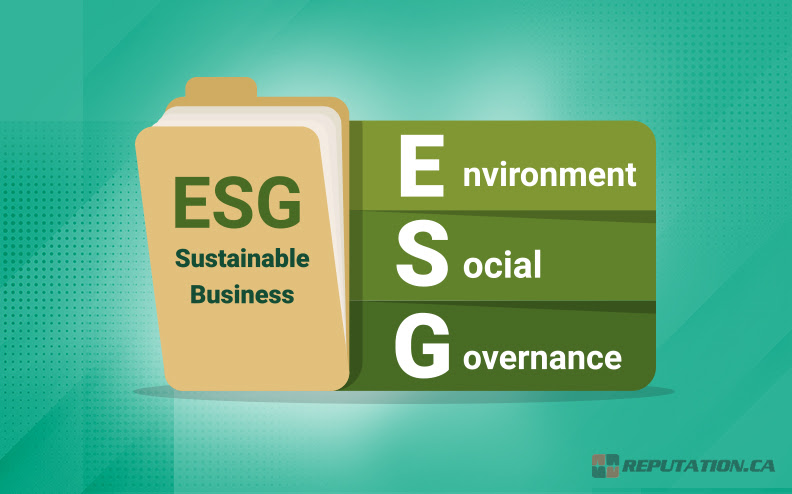
Rating agencies pull their data from the sustainability reports and the public filings that businesses have to submit. When they’re assessing you, they’ll look at metrics like carbon emissions and how you treat your workers. Board diversity is on their radar, too, along with the effect your company is having in the community. After they wrap up their analysis, these findings get published on sites that investors, customers and anyone else can access.
The whole system works pretty openly for everyone who wants to use it. Businesses get to see their own scores and can measure how they compare to the competition. Shoppers can look up ratings before they make a buy. Job seekers can research what it’s actually like to work at a company through these same sites. For years, this data was something only big institutional investors could get their hands on. Now, anyone can pull it up pretty easily.
ESG ratings are public information and have some real implications for how your business shows up online. When someone searches for your company, your ESG score shows up alongside everything else – your website, your reviews, news coverage, all of it. Search engines include this data when they display the information about your company to prospective customers or partners.
How Customers Check Your Green Claims
Customers want to know if your environmental claims are legit before they spend their money with you, and most of them aren’t going to just take your word for it. A big portion of shoppers will head straight to third-party websites and independent reports to see if what you’re promoting actually lines up with what your company does silently.
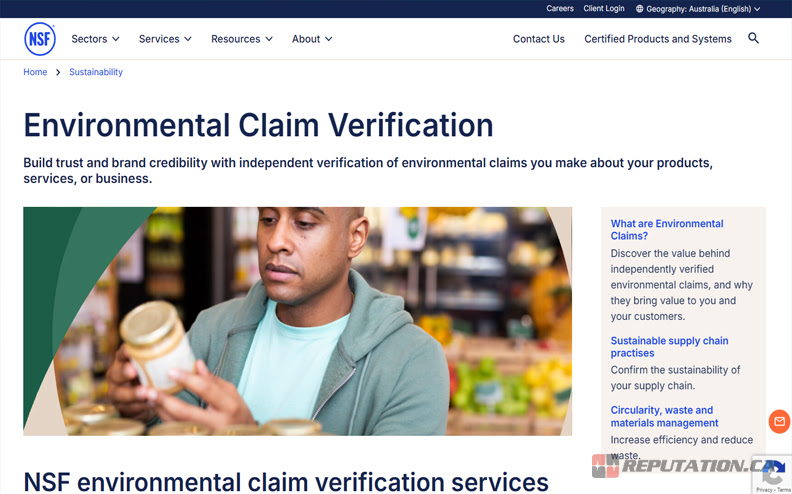
When customers find out you haven’t actually kept your environmental or social commitments, they’re going to share that information with everyone they know. Review sites are usually where the damage shows up first, and it hits hardest. Poor labor practices or environmental problems at your company can turn into wave after wave of 1-star reviews on your business page.
Fashion brands have learned this lesson the hard way. A few big-name clothing businesses took a massive hit on review sites when their customers started to see the disconnect. The green marketing campaigns looked great. But they didn’t match up with what these businesses were actually doing silently. Customers called them out in reviews, and they didn’t hold back either. Those negative reviews stuck around for months, visible long after the businesses wanted to move past them.
Younger buyers take the research to heart and will spend a lot more time vetting businesses before they buy anything. They’ll cross-reference your statements with ratings from environmental groups and labor watchdogs to verify that everything lines up. They’ll spot inconsistencies in your messaging or numbers that don’t quite match pretty fast.
This same cycle happens over and over again in just about every industry. A customer lands on your website or sees one of your ads, and they see an ESG claim that you’re making. From there, they’ll usually check out third-party sites to see what independent sources have to say about your actual performance. If what you’re claiming doesn’t match up with what these sources report, customers will call it out in reviews and on social media. Future buyers wind up reading those complaints and warnings well before they make it to your product pages.
How ESG Affects Your Search Results
When future customers want to learn about your business, what they do first is pull up a search engine. They’ll type in your company name, and the results will shape their entire first impression of who you are and what you stand for. ESG scores have an effect on what shows up in those results, and most business owners don’t realize just how much weight they carry.
Poor ESG performance tends to generate negative press coverage and harsh reports from industry watchdogs, and this content has a habit of ranking extremely well in the search results. News outlets will write about environmental violations, governance scandals and ethical mishaps because their audiences want to know about these topics. Once articles like these get published and make the rounds online, they can sit at the top of Google’s first page for months or years.
Sustainability reports and ESG dashboards show up a lot more now in the search results for established businesses. When a person searches for your company, these documents appear right there alongside everything else. It’s free advertising for your values and what you stand for! Future customers and business partners get a chance to see those reports before they actually click through to your website.
The most frustrating part is when articles about ESG controversies outrank your own homepage. Google has changed the way its algorithm prioritizes content and now puts a much heavier emphasis on anything related to corporate responsibility. News outlets and financial sites that write about ESG topics will usually appear above your company page in the search results. One bad story could become what a prospective customer or investor reads about your business first.
Businesses that actively manage what shows up when someone searches for their ESG practices usually do much better with customers who value responsible business. Future partners are going to look you up before they agree to work with you, and whatever they find on page one is going to directly shape how they feel about your company.
Social media moves at lightning speed when a company makes a mistake with its environmental or social practices. Negative ESG news on these sites tends to spread about 6 times faster than any positive updates do, and even a small misstep can balloon into a reputation crisis in just a matter of hours.
Fast fashion companies get slammed by TikTok creators who spotlight their factory conditions and show just how much waste gets pumped out of their supply chains. Oil companies watch as Twitter campaigns gain thousands of retweets in just a few hours – usually well before their PR departments can even coordinate a response. Content that taps into what audiences care about moves at a crazy fast pace and gets shared across multiple sites in no time.
Brands that are committed to environmental causes can pull in millions of dollars worth of free press coverage and media attention. When a brand stands for something that matches what customers care about, those customers become some of the best advocates you could ask for.

Hashtag activism is responsible for a massive amount of this momentum. A single trending topic can change how the public sees your brand, and the opinion tends to last for months afterward. But the campaign itself might fall off the trending page and fade from view. Social media works on a different model than search engines do. The audience doesn’t passively scroll through results – they jump right in. Comments roll in, shares multiply, and customers and critics alike add their own experiences to the conversation.
Customers get excited about sustainability, and many of them want to support businesses that are doing what’s right. The issue comes when there’s a difference between what you’re saying and what’s actually happening on that front. That mismatch doesn’t stay buried for long. The community pays attention, and eventually, they will see it and call it out.
How ESG Data Affects Your Business Partnerships
Your business relationships depend heavily on your online ESG presence, and I mean heavily. Around 86% of B2B buyers will research a supplier’s ESG credentials online before they even think about a partnership. This entire review process happens long before anyone schedules a meeting or picks up the phone for that first conversation.
Procurement teams have become pretty methodical about this, and most of them follow a fairly predictable pattern. ESG databases are usually the first place where they can pull up public records and information on businesses they’re looking at. Sustainability expectations show up in more RFPs, and suppliers need to have proof ready to back up their claims.
Your reputation takes a beating here, and it happens in a way that’s hard to see until it’s too late. A partner will search for your company online, stumble across weak ESG ratings or some old negative coverage, and the deal dies right there. They won’t call you to ask for the full story. They won’t email you to learn what you’ve done about past problems. The whole opportunity just vanishes, and usually you’ll never even know what killed it.
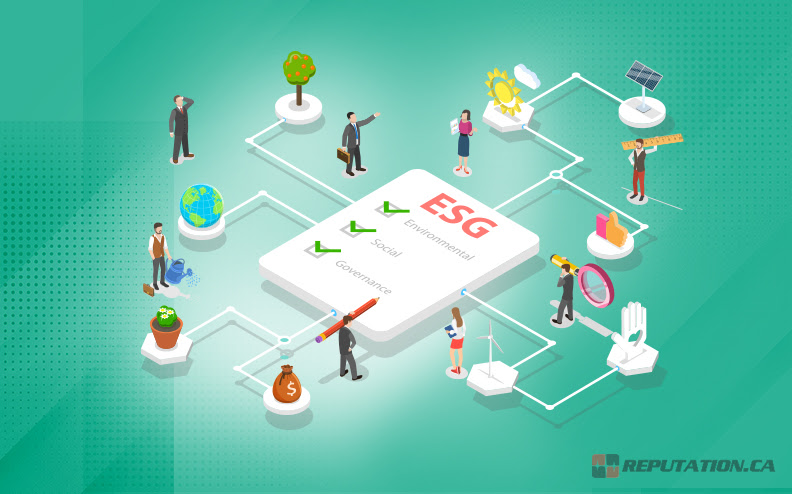
Supply chain transparency laws have also changed the way this works. Background research that businesses used to handle on their own time (or not handle at all) is now a mandatory part of the due diligence process. Businesses need to prove they’ve done their homework and vetted their suppliers on environmental and social practices. Your ESG information is part of how they stay compliant with these regulations, and it doesn’t matter if you intended it to work this way or not.
All this puts plenty of pressure on smaller businesses, especially those without formal ESG programs in place yet. Not having scores on record or publicly available information puts you at a disadvantage, even when you run your operations well and do everything responsibly. Most buyers are going to look at missing ESG data and see it as a red flag instead of just incomplete information.
Your online ESG footprint has become a gatekeeper for new business opportunities and shows up in search results and in databases. It happens to be where partners look when they want to get their first impression of what it would be like to work with your company.
Monitor and Manage Your Reputation
Your ESG performance and online reputation are more connected, and this relationship carries weight when customers, partners and employees look into businesses before they work with them. Everything that shows up in search results shapes how others perceive your business, and your ESG track record has become a big part of that picture. The best news is that if you actively manage this part of your reputation, it’s no longer just about crisis management and starts to work as a genuine competitive edge. Done right, it’s a way to set yourself apart in your industry. You won’t have to scramble to fix problems whenever anyone Googles your name.
To stay ahead of possible ESG problems, one of the smartest moves you can make is to see what your company’s ESG information looks like online. That means you check what shows up when anyone searches for your company name, what others share on social media about your environmental or social practices, and how your ESG performance compares to other businesses in your industry. When you know what’s already out there, you can shape the conversation in a proactive way rather than react when a crisis hits.
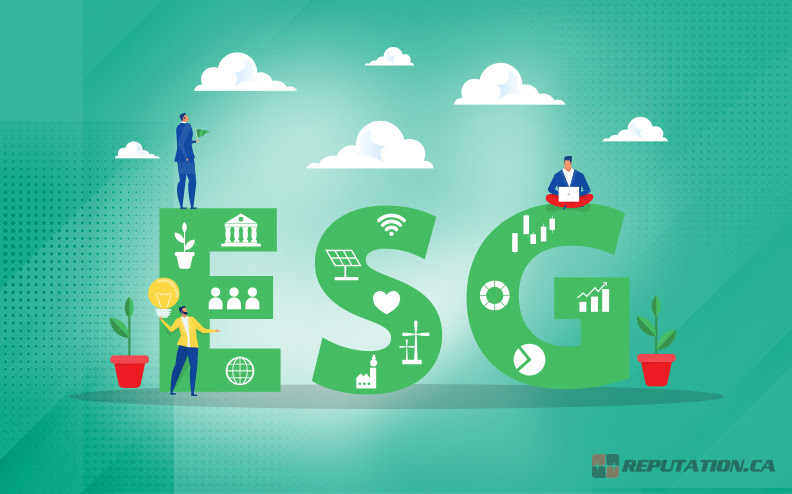
Businesses that do this well usually stay ahead of possible problems and frame their ESG story in a way that connects with their audience. Nobody’s suggesting you cover up the problems or spin matters to sound rosier than they are. The goal is to give your existing work the visibility and recognition it deserves. Your ESG reputation can become one of your strongest competitive edges – as long as you’re willing to treat it like the real business asset it is.
Your online reputation can be hard to manage on your own, and at Reputation.ca, we have a full team of experts who specialize in review management, social media strategy, public relations and crisis response. Maybe you’re a victim of cancel culture right now, or maybe you just want to build up a stronger presence online for the future. We’ve handled situations like these before, and we know how to help.
Contact us at Reputation.ca, and we’ll put together a plan that works for you.