Online Reputation Management for Individuals
When a client, recruiter, or board looks you up, an old headline or misleading post can shape their first impression.
Reputation.ca helps professionals and executives reduce the visibility of damaging search results and make their work, experience, and achievements easier to find.

Reduce the visibility of negative search results
Our specialists review the results that could affect your next opportunity. We’ll explain what may qualify for online content removal. When a page stays online, search result suppression can make it less prominent by making relevant, accurate information easier to find. A stronger professional profile, personal website, or credible coverage can give people a fuller picture of your work.
Delete/deindex damaging content where possible
Damaging posts, photos, reviews, and fake profiles can follow your name. Our specialists privately assess the specific links and work to remove eligible content at the source. There’s no upfront payment, and you only pay if the removal succeeds. See what qualifies for personal guaranteed removal.
See what Google and AI say about you
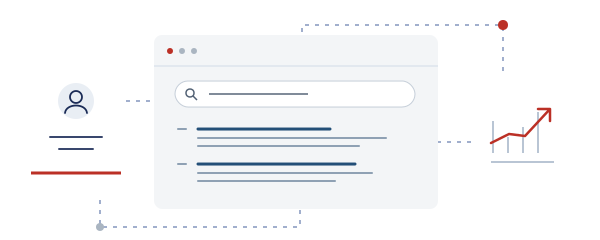
RepuSure captures Google search results and tracks how AI tools such as ChatGPT and Gemini describe you. See which results are gaining visibility, which sources appear in AI answers, and how those answers change over time. You can see what a prospective employer, client, or partner might encounter before you meet.

Monitor your online reputation over time
Compare search snapshots over time to see whether damaging results are becoming less prominent and stronger sources are gaining visibility. Monitor new mentions and shifts in AI answers so you can decide what deserves a response. Explore the personal reputation management case studies for examples measured in archived Google results.

Reviews & Testimonials
- Montreal Manufacturing Executive

- Medium Sized B2B Business Owner
- Toronto Businesswoman
- Thornhill Business Owner
Real campaigns. Documented search results.
Personal reputation management case studies
See how a tailored strategy, useful content and sustained search promotion changed what people found on Google.
These are individual client campaigns. Names, search terms, URLs and identifying details are withheld for privacy. Results describe the specified searches and observation periods; outcomes vary. Portraits are illustrative.

Personal case study 01 · Search result suppression
Professional Facing Negative Coverage
Half of the first ten Google results for this professional’s name were classified as negative. In two later snapshots, none were.
What changed in the first ten results
Based on archived rank tracking and Asset Rankings classifications. Content types are generalized for privacy.
5 negative results in the top ten
-
1
Professional profilePositive
-
2
Regulatory noticeNegative
-
3
Social profilePositive
-
4
Press releaseNegative
-
5
Professional directoryPositive
-
6
Regulatory documentNegative
-
7
Social profilePositive
-
8
Business directoryPositive
-
9
Legal commentaryNegative
-
10
Press releaseNegative
0 classified negatives in the top ten
-
1
Professional profilePositive
-
2
Business contact pagePositive
-
3
Personal websiteCampaign-created
-
4
Social profilePositive
-
5
Magazine interviewCampaign-created
-
6
Business directory profileCampaign-created
-
7
Personal websiteCampaign-created
-
8
Professional profileCampaign-created
-
9
Bio pageCampaign-created
-
10
Bio pageCampaign-created
“Campaign-created” reflects the Created classification in Asset Rankings. It can include content published on third-party sites. A further comparison in October 2026 also recorded zero classified negatives. These are separate observations, not a continuous daily record or evidence that the original pages were deleted.
The challenge: a name search dominated by damaging results
For a professional whose work depends on trust, a name search can become an important part of a first impression. In this case, the client’s search results gave substantial visibility to negative material. An archived Google snapshot from March 2025 contained five classified negative results among the first ten organic listings. Half of that observed first page was therefore occupied by content the client wanted to move beyond.
The task was broader than improving one website. The client needed a more complete online presence: accurate professional information, relevant interviews, useful content and profiles that could compete for the same name search. The campaign’s objective was to reduce the prominence of the negative results while giving searchers more information about the person behind the search term.
A plan built around the individual
Our initial reputation management plan established the client’s name and related name searches as campaign priorities. It set out a combination of new professional profiles, improvements to existing profiles, interview content and promotion of positive assets. A personal website became part of the subsequent monthly plans, creating a place to bring together biographical information, useful articles and media coverage.
The important distinction was between simply publishing more pages and developing pages that had a reason to appear for the client’s name. The content programme focused on the client’s professional experience and areas of expertise. Interview formats provided space for fuller answers, while profile pages gave search engines additional information about the same person.
What the campaign delivered
We developed a collection of profiles, interviews and website content around the client’s professional experience. The campaign included a detailed biography, professional directory profiles and several published interviews. Rather than treating each publication as the end of an assignment, we returned to those assets to assess their usefulness and identify opportunities for further improvement.
We also updated existing biographical and interview content as the client’s professional circumstances changed. That mattered because reputation management should help people find current information, not just a larger quantity of information. Keeping the existing assets accurate gave the campaign a stronger foundation for continued promotion.
- Professional presence: biographical profiles and a personal website provided more places to explain the client’s background.
- Substantive content: interviews and informational articles developed the client’s expertise beyond a short profile summary.
- Asset maintenance: existing material was revisited as professional information changed.
- Search promotion: monthly plans identified favourable pages below the negatives and prioritised additional support for those pages.
Working on the results that still needed to move
The campaign continued after the initial assets were created. Monthly plans in 2026 recorded occasions when one or two negative results still appeared in the top ten. Those observations shaped the next round of work: which favourable pages deserved attention, which existing content could be strengthened and where the profile network needed clearer connections.
This was an iterative suppression strategy. The team used the rankings to guide priorities rather than assuming that every new article would perform equally well. The plans included targeted promotion and relevant links between established assets. RepuSure supplied the Google rank tracking needed to compare the search results over time.
The result: five negatives to zero in the comparison snapshots
In the archived March 2025 comparison, five of the ten organic results were classified as negative. In the September and October 2026 comparison snapshots, none of the ten results was classified as negative. All ten results in those later snapshots had classifications, making this a meaningful comparison rather than a zero produced by an empty or unclassified result set.
These were two separate observations approximately a month apart. They support a clear historical result for the tracked name search: the negative pages visible in the earlier top ten were no longer occupying those positions in the later comparisons. They do not establish that the source pages were deleted or that rankings could never change again.
Measured result: five classified negatives in an earlier top-ten snapshot; zero in two later, fully classified snapshots. Search terms, locations and timing matter. The campaign records and rankings document the work and observed change, but do not isolate the effect of any one activity.
What this shows about personal online reputation management
A difficult first page can require a sustained programme rather than a single piece of content. This case brought together professional information, publishing, maintenance and search promotion. The practical objective was to give the client a stronger set of relevant pages capable of competing with damaging results—and to keep measuring whether those pages were actually changing the search experience.
Illustrative content examples
How profiles, interviews and a personal website work together
The documented programme connected several kinds of assets. A biography gave searchers a clear starting point, interviews offered more depth, and the website provided room for current professional information. The examples below illustrate those roles without reproducing the client’s identity or published text.
Sample copy written to explain the strategy. These are not client quotations, original campaign materials or additional ranking evidence.
Professional profile
A clear introduction to the person
A useful biography explains a person’s experience, current responsibilities and areas of expertise. It gives readers context before directing them to more detailed information.
Purpose: Establish a consistent professional identity.
Interview content
What has shaped your approach to your work?
An interview can explain how someone makes decisions, what they have learned and how their experience informs their work. Specific answers give readers more than a short directory listing.
Purpose: Add depth that a short profile cannot provide.
In this campaign, asset development was followed by maintenance and promotion. The example formats explain why the assets could be useful; the archived rankings, rather than the examples themselves, establish the measured change.
What does Google show for your name or business?
Speak to our friendly reps
Personal case study 02 · Content and asset development
Established Professional
Three negative results appeared in the first ten for their name. Updated profiles and biographical content helped people find more of their career story.
What changed in the first ten results
Based on archived rank tracking and Asset Rankings classifications. Content types are generalized for privacy.
3 negative results in the top ten
-
1
Professional bioPositive
-
2
Business websitePositive
-
3
Professional profilePositive
-
4
Bio pageCampaign-created
-
5
Business directory profileCampaign-created
-
6
Personal websiteCampaign-created
-
7
Press releaseNegative
-
8
Regulatory documentNegative
-
9
Regulatory documentNegative
-
10
Professional profileCampaign-created
0 classified negatives in the top ten
-
1
Professional bioPositive
-
2
Magazine featureCampaign-created
-
3
Professional profilePositive
-
4
Business websitePositive
-
5
Business directory profileCampaign-created
-
6
Personal websiteCampaign-created
-
7
Bio pageCampaign-created
-
8
Professional featureCampaign-created
-
9
Industry articleCampaign-created
-
10
Team directoryPositive
“Campaign-created” reflects the Created classification in Asset Rankings. It can include content published on third-party sites. These are separate observations, not a continuous daily record or evidence that the original pages were deleted.
The challenge: search results that told an incomplete story
An established professional can have years of experience and still find that a few negative pages dominate a name search. That was the problem in this case. An archived snapshot from November 2023 showed three classified negative results within the first ten organic listings. The client needed more of their professional background and current work to become discoverable alongside the material already ranking.
The objective was to improve the balance of the name-search results. It was not a claim that the internet could be rewritten or that every unwanted page could be removed. Our reputation management plan focused on building and strengthening a collection of relevant assets that could compete in search over time.
Building several routes to a stronger first impression
The approved plan set out a broader professional presence across biographical pages, business directories, profile-based websites and interview content. The strategy used different formats because a search for a person can return many kinds of results. A useful biography can answer different questions from an interview, while an established professional profile can provide a concise reference point.
The campaign also considered the client’s personal website and the role it could play in bringing professional information together. Monthly plans proposed additional content and ways to connect favourable assets. The emphasis was on creating a group of pages associated with the same person, rather than relying on a single page to displace several negative results.
What we did and how the priorities developed
We created a new social profile and continued managing the client’s online presence while developing the wider content programme. We then followed the performance of the new assets. A profile-based website was already appearing on the first page by late 2023, while a detailed biographical page was ranking close to negative results in an early-2024 update.
Those observations were useful because they showed where there was something concrete to strengthen. The monthly plans moved from the initial creation programme into further content development, profile optimisation and promotion of pages already approaching important search positions. The client’s established expertise supplied the subject matter; the campaign supplied a structured publishing and search strategy.
- A broader profile base: the plan developed multiple biographical and professional assets associated with the client.
- Content with substance: the programme included longer professional features and interview formats, not just directory entries.
- Ongoing upkeep: social profiles and existing pages remained part of the monthly work.
- Ranking-led priorities: pages close to negative results became candidates for additional promotion.
Focusing promotion where it could matter
By early 2024, the planning documents were identifying specific favourable assets positioned below negative results. The next steps called for additional support for those pages, alongside the regular promotion already built into the campaign. This is an important part of search suppression: knowing which pages are in a position to compete is more useful than treating every asset as equally promising.
A strategy review also recorded progress in moving an unwanted result down for one of the tracked searches. At the same time, it set out further work for related name variations. That distinction matters. Success for a person’s main name search does not automatically mean the same outcome for every combination of their name, location or professional affiliation.
The observed result
The November 2023 archived comparison contained three classified negative results among the first ten listings. In the April 2024 comparison, the first ten contained no classified negatives. Both snapshots had ten classified results, giving the before-and-after comparison a consistent basis.
Subsequent summary records continued to report zero-negative observations into 2025. The dates were not a complete daily record, so those observations should not be interpreted as proof that the results remained unchanged every day. They do show why continued monitoring belongs in a personal reputation campaign even after an initial target has been reached.
Measured result: three classified negatives in the November 2023 top ten and zero in the April 2024 comparison. The result is specific to the tracked name search and recorded snapshots. It does not establish deletion of the original pages or a permanent ranking outcome.
The lesson for an established professional
Having a substantial career does not always mean that search results reflect it. This campaign used that existing professional background to develop a wider range of relevant content and profiles, then followed their progress in Google. The case illustrates the value of combining asset development with ongoing promotion: publishing created opportunities, and rank tracking helped the team decide which opportunities to pursue next.
Illustrative content examples
Turning an established career into discoverable information
The campaign drew on an existing professional background. Longer biographical content and interview formats could explain that background more clearly than disconnected short listings. These examples show how those formats serve different reader needs.
Sample copy written to explain the strategy. These are not client quotations, original campaign materials or additional ranking evidence.
Biographical feature
Experience, responsibilities and professional perspective
A substantial feature can connect earlier experience with current work, explain areas of expertise and show how a professional’s responsibilities have developed. Clear sections make that information easier to explore.
Purpose: Make a substantial career easier to understand.
Interview format
Which lessons continue to influence your decisions?
A considered response can describe a professional challenge, the reasoning behind an approach and the lesson taken forward. This adds an individual perspective rather than repeating the same summary on every page.
Purpose: Develop useful content beyond a basic biography.
The plans then selected favourable assets positioned below negative results for further support. That ranking-led prioritisation is distinct from the writing examples: content creates relevant information, while tracking shows whether the search landscape changes.
What does Google show for your name or business?
Speak to our friendly reps
Personal case study 03 · Professional reputation building
Professional With Limited Online Visibility
There was little online about this professional’s work, while three negative results appeared in the first ten. A personal website, profiles, and interviews gave people a fuller picture.
What changed in the first ten results
Based on archived rank tracking and Asset Rankings classifications. Content types are generalized for privacy.
3 negative results in the top ten
-
1
Professional profileNot Me
-
2
News articleNegative
-
3
Fundraising pagePositive
-
4
News articleNegative
-
5
Industry articlePositive
-
6
Public directoryNot Me
-
7
Social profileNot Me
-
8
Service directoryPositive
-
9
News articleNegative
-
10
Fundraising pagePositive
0 classified negatives in the top ten
-
1
Personal websiteCampaign-created
-
2
Magazine interviewCampaign-created
-
3
Professional profilePositive
-
4
Personal biographyCampaign-created
-
5
Bio pageCampaign-created
-
6
InterviewCampaign-created
-
7
Business directory profileCampaign-created
-
8
Community program pagePositive
-
9
Personal websiteCampaign-created
-
10
Feature articleCampaign-created
“Campaign-created” reflects the Created classification in Asset Rankings. It can include content published on third-party sites. A further comparison in February 2025 also recorded zero classified negatives. These are separate observations, not a continuous daily record or evidence that the original pages were deleted.
The challenge: too little useful information competing with the negatives
When negative content is easy to find and a person’s own professional story is harder to discover, search results can create an incomplete impression. In this case, a December 2023 archived Google snapshot showed three classified negative results among the first ten organic listings. The client needed a broader and more useful set of pages associated with their name.
The personal reputation management strategy therefore addressed both sides of the problem. It sought to reduce the visibility of negative results while improving the amount and quality of professional information available to searchers. The work focused on the client’s background, experience and areas of expertise, without relying on a promise that the unwanted source pages could be deleted.
Creating a foundation for the name search
The approved plan established the main name search and a related geographic variation as campaign keywords. It then mapped out a set of biographical profiles, a personal website, supporting articles and interview opportunities. Each asset had a role in developing a fuller online identity rather than simply repeating the same short biography everywhere.
We created biographical, professional and document-sharing profiles to expand the client’s presence beyond the pages already ranking. We also completed a third-party article initiative and a later interview initiative. These different formats gave the campaign more ways to explain the client’s background and experience, while providing useful material for the continuing search promotion programme.
What we built and strengthened
The website gave the campaign a place for longer professional information and informational content. We completed optimisation work on that site, then revisited its biography page as a further opportunity because of its position relative to a negative result. A page that was already close to an important ranking was a more specific opportunity than a page with no visibility at all.
The campaign also added to the client’s presence on established profile and publishing platforms. This diversified the set of pages that could appear for the client’s name. Interview content offered a different format for explaining experience and perspective, while the profiles helped create a consistent association between the person and their professional background.
- Biographical profiles: multiple completed profiles expanded the client’s discoverable professional presence.
- Personal website improvements: completed optimisation work supported a site that could hold more substantial information.
- Article and interview work: completed initiatives added formats beyond short directory summaries.
- Ongoing planning: monthly documents identified further content and promotion priorities as rankings developed.
Improving the assets already close to the target
A spring-2024 planning note recorded the personal website’s biography page only two positions below the main negative. The proposed response was to strengthen that page with fuller questions and answers about the client’s experience. The point was to improve a relevant page that had already demonstrated an ability to rank, rather than continually starting again with unrelated new assets.
The campaign’s promotion strategy also covered positive and created pages more broadly. RepuSure supplied the historical search observations used to assess the change. As with any suppression programme, the value of the work needed to be judged by what people could actually find in search—not by the number of profile pages on a delivery list.
The result: a repeated clean comparison
The December 2023 comparison contained three classified negatives in the top ten. An October 2024 archived snapshot contained none. A further comparison from February 2025 also contained none. Each of those later snapshots had ten classified results, so the zero-negative count was supported by a complete set of classified listings.
The later snapshot is important because it provides another observation beyond the first clean result. It does not prove that the rankings were identical throughout the intervening months, but it gives the case a stronger basis than a single isolated screenshot. The measured outcome is that the negative pages in the earlier comparison were absent from the later observed top tens.
Measured result: three classified negatives in the earlier snapshot; zero in two later complete, classified comparisons. This is a search-visibility outcome for the tracked query, not evidence that the negative material was removed from its original websites.
Why this approach matters
Personal reputation repair often includes building the information that a name search is missing. Here, profile development, website improvements and additional content created a broader foundation for the client’s professional presence. The campaign then used ranking observations to focus further work. That combination connects delivery to an outcome a prospective client can understand: a more balanced first page for the search that matters to them.
Illustrative content examples
Strengthening a biography page already close to the target
A planning note placed the personal website’s biography page two positions below the main negative result. Fuller questions and answers were proposed as a way to strengthen that existing page. This example shows the kind of useful detail that proposal could add; it does not present the proposed rewrite as completed work.
Sample copy written to explain the strategy. These are not client quotations, original campaign materials or additional ranking evidence.
Biography-page example
More than a name and a job title
A useful biography can explain professional experience, current areas of work and the background behind that expertise. Readers should be able to understand the person without having to piece together several incomplete profiles.
Purpose: Give an existing page more substance.
Proposed Q&A format
What experience informs your work today?
An answer could connect relevant past responsibilities with current professional interests, using specific, verifiable details supplied by the client. Supporting questions could explain areas of expertise and current priorities.
Purpose: Address questions that a short profile leaves open.
The completed website, profile and interview work provided the wider foundation. The proposed biography improvement illustrates how a near-ranking asset can guide the next content decision, without claiming that this one change caused the later zero-negative snapshots.
What does Google show for your name or business?
Speak to our friendly repsTalk through what people find about you
Speak to our friendly reps about what people find when they look you up.
Get an instant quoteHow do you fix a damaged reputation?
How can I be proactive about my online reputation?
Should I just stay offline completely?
Will something written about me stay online forever?