A Wikipedia page carries weight if you’re running a business or working as a professional in your field. It’s a stamp of legitimacy that builds instant trust with would-be customers, and it tends to push your name higher up in Google search results as well.
All that extra visibility is also the exact reason scammers have figured out how to turn Wikipedia into their own personal moneymaker. These operations have evolved into a full-blown industry that runs on false claims and guarantees they can’t actually deliver on!
Elite Wiki Writers is a perfect case study for how profitable these scams can be. This particular operation managed to steal more than $500,000 from over 100 victims in 2023. Outfits like this will usually charge you between $750 and $10,000 for their services, and what you actually get in return is almost never worth the price tag. Wikipedia itself has blocked close to 400,000 accounts that tried to post promotional content on the site. Even with those blocked accounts and all that enforcement action, scammers continue to find new clients who don’t know how Wikipedia actually works.
The money you lose is bad enough on its own, and then it gets even worse from there. Wikipedia takes a hard line on paid editing operations, and when they catch them, the consequences are real. Articles get deleted, and in some of these cases, the subject gets banned from ever being covered on the site again. Some of these scam outfits have a documented 0% success rate. Every client walks away with nothing – no page, no money back and no legitimate shot at Wikipedia coverage later on.
Let’s learn how to find these scammers and protect Wikipedia’s integrity together!
The Main Types of Wikipedia Scams
Wikipedia scammers come in a few different varieties, and they all go after people who need help to create or edit pages. By far the most common category is paid editing services. These operations charge anywhere from $500 to well over $5000 per project, and they promise to create or edit your Wikipedia page. It sounds like a fair deal. What they don’t tell you is that they’re breaking Wikipedia’s guidelines around paid editing and conflicts of interest.
Another type of scammer will claim to be an official Wikipedia consultant with real credentials. They’ll tell you they’re certified by Wikipedia or that they have inside connections with administrators who can help push your page through. Wikipedia doesn’t actually certify anyone – no official consultant program exists. Nobody has inside privileges to get pages approved, and a “certified Wikipedia expert” just isn’t real. These scammers are making up fake credentials and are hoping that you don’t know the difference.
The third group is a bit shadier – these are editors who hide their conflicts of interest from Wikipedia intentionally. They’d be freelancers or people who work for agencies, and they make edits to pages without ever telling anyone that they’re being paid for it. Wikipedia has a policy that all editors need to be open and honest about any financial connections they have, so when an editor edits for money without mentioning it, they’re breaking one of the main policies on the site.
Most of these scammers find their clients when they run ads on social media and send out cold emails. The testimonials they share with you are either made up or they describe projects where the editor has ignored Wikipedia’s guidelines. Their sales pitch usually includes talk about a promised page creation or a permanent placement on Wikipedia.
Wikipedia is run by volunteers – editors who review and edit every page on the site. With this setup, nobody can guarantee that your page will stay published, and nobody can promise that your edits won’t get changed or removed somewhere down the line. Scammers know this already. But what they’re counting on is that most of their clients don’t have any idea how Wikipedia actually works. That knowledge gap is their entire business model – it’s what lets them charge money for services they can’t actually deliver.
How to Spot a Wikipedia Scammer
One of the biggest warning signs you’ll see is when someone promises that your Wikipedia page will get approved. Wikipedia doesn’t work that way – there’s no single person sitting at a desk making the call on what stays and what goes. Every page has to go through a community review process, and everything needs to meet Wikipedia’s notability standards before it can go live. If they tell you that they can guarantee your page will be accepted, they either don’t get how the platform works or they’re deliberately trying to mislead you.
Payment terms will also tell you quite a bit about who you’re working with. Scammers usually demand the full payment up front, and they’ll want every penny before they’ve even written a single word. Legitimate Wikipedia editors are a lot more flexible about how they receive payment. Most of them are comfortable with payment milestones or some type of phased schedule because they know that you want to see progress on your page before paying them thousands of dollars.
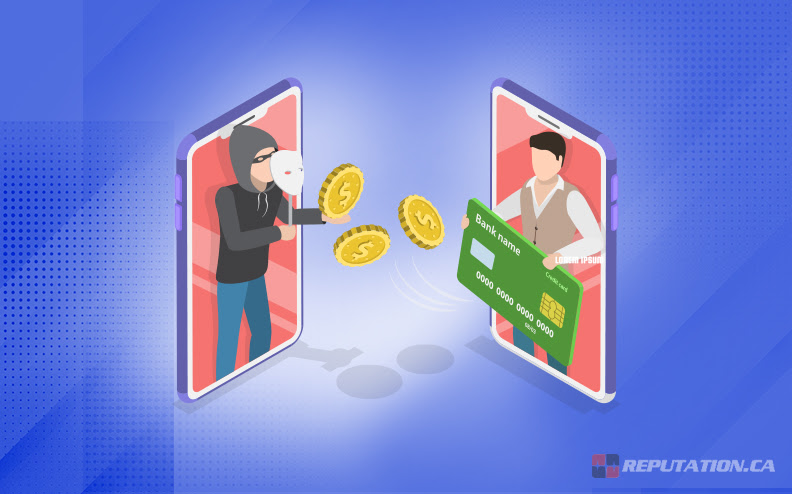
Be wary of anyone who tells you that they have inside connections at Wikipedia or claims to have exclusive access to the platform. Nobody gets a VIP entrance or knows some secret handshake to bypass the normal process that everyone else has to go through. Wikipedia functions as an open community. All editors on the platform have to follow the same standards, regardless of their background or who they claim to know.
A quick way to verify someone’s credentials is to ask them for their Wikipedia username and their full edit history on the site. Most legitimate editors are more than happy to hand over this information because it shows their knowledge and proves they’ve been active on the platform. If they don’t share their username with you or come up with excuses for why they can’t show you their previous edits, well, their edit history probably has the answer you’re looking for buried in it somewhere.
How Wikipedia Finds and Stops Scams
Wikipedia takes these scam operations seriously, and they have some powerful tools to track them down and shut them down. CheckUser is one of their main ones – it lets administrators look at the editing patterns and IP addresses to find out what’s actually going on. With this tool, they can see when multiple accounts are just one person, or when a few accounts all work together as part of the same scheme.
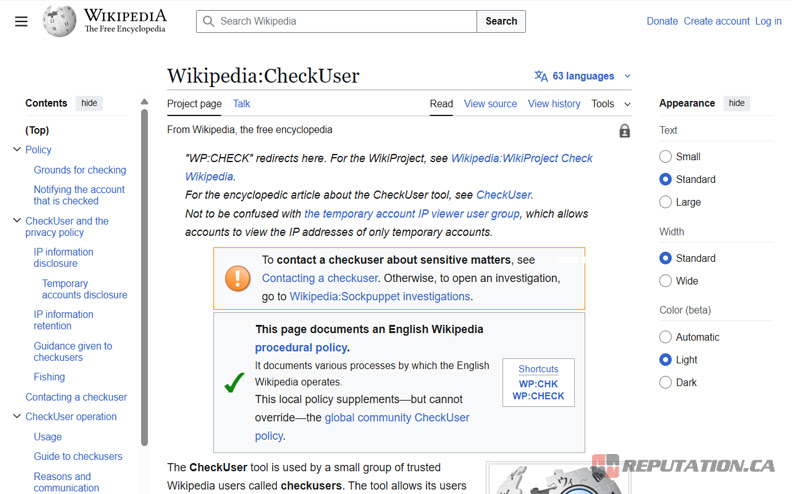
Sockpuppet networks are a big priority for their enforcement team. A sockpuppet network is a group of fake accounts that all work together to push promotional content or manipulate different pages across the site. Volunteer administrators will spend hours as they comb through these accounts to see how they act and if they’re connected to one another. Admins watch for red flags like similar editing styles or multiple accounts that always seem to show up when the same pages get edited in the same ways.
Wikipedia has a community watch system in place, and it makes life quite hard for anyone who wants to sneak promotional content past the editors. The editors who have been around for a while know what promotional editing patterns look like, and most of them have learned to find accounts that don’t feel right. If an account only makes edits to the business-related pages, that raises a red flag. The same thing happens when an account repeatedly tries to add marketing language to articles – the editors are going to review that account.
Wikipedia has actually shut down some pretty massive operations over the years. In some of these cases, hundreds of accounts got blocked all at the same time after administrators found the coordinated networks behind them.
This type of crackdown happens pretty regularly – Wikipedia always watches for new schemes, and when they find one, they track down everyone who’s involved in it.
Anyone who thinks about these scam services needs to know what they’re about to get into. Paid editors sometimes get changes onto a page temporarily – those edits won’t last for long. Wikipedia has tools and thousands of volunteers who hunt down promotional content all of the time, and that means paid edits get reviewed and removed constantly. These scammers can promise whatever they want – they can’t deliver stable results when Wikipedia constantly removes their contributions and bans their accounts!
The Real Cost of Wikipedia Scams
Some businesses pay thousands of dollars for a service that directly breaks Wikipedia’s policies, and then everything falls apart.
Wikipedia’s volunteer editors are great at finding these paid edits, and once they do, the page gets removed. Those thousands of dollars just vanish, and there’s nothing left to show for it. And it gets even worse from there. Wikipedia bans the subject from getting a page on the site ever again – and I’m talking about a permanent ban here.
Once that happens, you’ve lost the opportunity to get Wikipedia coverage, even if your business or brand eventually deserves it. Wikipedia holds on to these bans on record permanently, and this history makes it nearly impossible to get back onto the platform later if you do everything right the second time around.
Some of the victims also face public embarrassment once journalists find out about the fake edits. News outlets have published multiple stories over the years that call out businesses and those who paid for the fake Wikipedia pages. Once that press coverage starts, it can follow you around and damage your reputation for a long time.
To lose money hurts, no question. The permanent consequences hurt a lot more, though. Wikipedia flags accounts and subjects whenever they catch dishonest editing, and once that flag goes up, the mark stays attached to your name indefinitely. Wikipedia’s editors have very long memories, and any future attempts to create content about the same person or organization are going to run into immediate suspicion. What could have been a legitimate opportunity later on turns into something impossible to go after.
Victims pay twice with these scams, and it’s a painful situation all around. They lose whatever money they paid to the scammer up front, and it’s bad enough. What’s worse is that they also lose the ability to ever proceed through legitimate channels again. Those who fall victim to this face the consequences for years, far longer than they thought possible when they just wanted to hire somebody to help them out.
The Right Ways to Build Wikipedia Presence
Working with Wikipedia gives you some options that don’t use any shady tricks or try to game the system. Wikipedia does allow for this self-editing. But you’ll have to be honest about your relationship to the subject matter, and everything you add has to be backed up by reliable sources. The learning curve takes some time to adjust to when you go through their policies and formatting standards.
Still, plenty of businesses and people have figured it out and have made successful edits to their own pages.
Another way to go is to hire a PR professional who actually knows Wikipedia’s policies inside and out and plays by the book. They’ll be open about any conflicts of interest, and they’ll post disclosures on their user pages and talk pages from day one. Legitimate consultants won’t promise you sure-fire results because Wikipedia’s editors are the ones who have the final say on what content makes it onto the site. What sets the pros apart from the scammers is their honesty – the legit ones will talk about how the process actually works and give you practical expectations before they get any money from you.

Wikipedia has a request system built right into every page. Anyone can use the “request edit” template to ask for a correction or update on a page’s talk page. Volunteer editors will then go through your suggestion and decide if they want to make the change – they’ll want to see reliable sources that back up what you’re saying. It takes time – sometimes a lot of time – and you’ll need to be patient with the process. Working with the platform instead of against it gives you a much better chance of success.
The transparent way feels slower because that’s just the way it works, and there’s no way around that fact. Pages that get built through legitimate means aren’t going to disappear on you overnight. Making legitimate edits to Wikipedia means you don’t have to worry about triggering investigations or damaging your reputation with the community. Everything that ends up on the page shows what’s actually true, and it all holds up when clients start to check the sources and ask questions.
Monitor and Manage Your Reputation
At this point, you should have the tools and information you’ll need to spot these scams when they show up and stay away from them completely. Your wallet isn’t the only concern here. Wikipedia gets millions of visitors every day, and most of them are looking for information they can trust. When scammers abuse the platform for profit, they damage the trust that makes Wikipedia work. Eventually, these fake pages will get found and removed (it happens every time). The businesses that paid for them wind up worse off than they were when they started. The damage to your reputation can last for years after one of these scams. When you do it right from the start, it matters in the long run.
A legitimate Wikipedia presence is going to take some time and patience on your part, and you’ll need to meet the platform’s standards for what they think matters. Shortcuts just don’t work with Wikipedia. It will backfire on you down the line if you try to game the system. For companies or organizations with genuine achievements and reliable coverage from independent sources (not press releases you wrote yourself), you can get that Wikipedia page without resorting to questionable methods. The recognition that comes from doing it the right way is what lasts, and it’s what builds a strong reputation for you over the long term.

The right help matters when you’re working to protect and grow your reputation the right way. Ready to take control of your online reputation? At Reputation.ca, we have Canada’s leading experts in review management, social media strategy, public relations and crisis response. Maybe you’re up against cancel culture right now, or maybe you just want to build a stronger reputation online for the future – whatever the case is, we’re here to help.
Contact us at Reputation.ca for expert help that actually fits what you need.