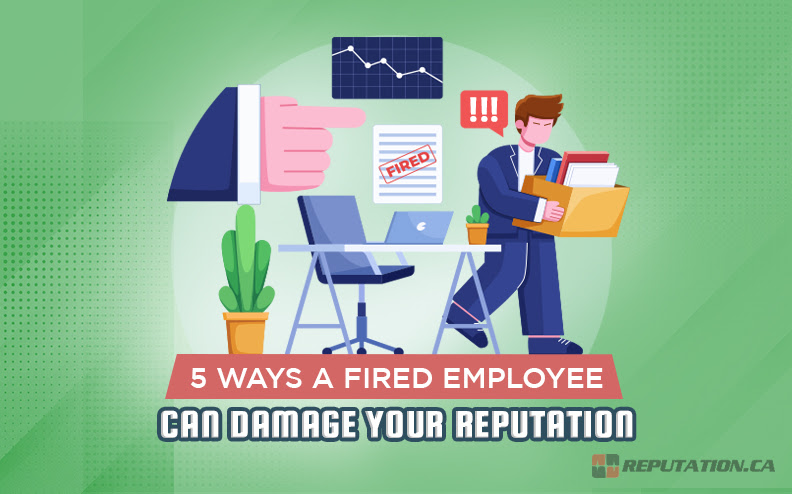
One bad termination can spiral into a big problem, and it can happen fast. A disgruntled ex-employee has more places to air their grievances than ever before, and the audiences in those places are large and quick to form opinions. Clients, future job candidates and industry peers are all paying close attention to how a company treats its employees on the way out – its reputation tends to last long after the paperwork gets filed away.
The problems range from scathing online reviews to leaked internal data, and they’re all capable of doing real, long-term damage to a brand that took years to build. Harsh reviews from disgruntled former employees pile up over time, and the damage compounds. A data breach from a departing employee with a grudge can be far more destructive than that. These problems come in very different shapes and sizes, and they don’t always come from the direction a company expects.
An actual sense of what these problems look like from day to day is what drives a termination process that actually protects the company – and one that still gives the person on their way out a basic level of dignity and respect. Most managers don’t always see how much those two factors matter.
Let’s get started with these five ways a fired employee could harm your reputation.
Bad Reviews Push Away the Best Candidates
Glassdoor was built with genuine intentions – to give job seekers a real, honest look at what it’s actually like to work somewhere before accepting a job offer. The problem is that same wide-open platform also hands a very public microphone to anyone with a personal grudge.
A fired employee can leave a one-star review almost immediately after walking out the door – and these review sites are usually one of the first places that job candidates go to research a company before they apply. Whatever they find there is front and center, and it’s one of the first details a future hire will see.

The numbers actually back this up. Glassdoor says around 86% of job seekers read company reviews before they ever apply for a position. A handful of bitter reviews can quietly shrink your applicant pool long before a single job listing goes up.
What’s worse is that you’ll probably never find out why a strong candidate went quiet on you. They found your listing and did their research. No email, no follow-up, no explanation. Just a great hire that never happened.
One or two negative reviews won’t necessarily sink you – most of the candidates who read your profile can usually tell when a review is written out of frustration instead of genuine feedback. The issue is when the same complaints show up over and over. At that point, a pattern starts to feel much less like a coincidence and more like evidence.
Your replies to reviews carry just as much weight as the reviews themselves – maybe more. A well-written reply tells future applicants that leadership actually pays attention and takes feedback. That level of engagement from a company can tip the scales for anyone who is still undecided about applying.
One Bad Post Can Spread Very Fast
Social media is a whole different world from those review sites – the speed at which something can spread on those channels is almost hard to believe. A fired employee with a phone and a grudge can post to TikTok, Twitter or LinkedIn and reach thousands of viewers before you’ve even had a chance to see it.
We’re not talking about a few hundred who see a post, either. TikTok videos that call out employers can pull in millions of views within a few hours, and a brand’s whole reputation can change almost overnight. The comment sections alone can quickly spiral into a full public backlash – one that draws in journalists, influencers and job seekers all at the same time.
The format is what separates social media from a review site. Video is personal (with a face, a voice and a story behind it) – it’s what an audience tends to connect with. When a former employee posts a video about their time at your company, their followers aren’t skimming past a star rating. What they’re watching feels far more like testimony.

Real cases of this have played out in a very public way. Employees have posted videos about workplace mistreatment that set off boycotts, news coverage and official statements from the businesses involved. Some businesses had to respond publicly just to slow the spread – and a few of the attempts actually made everything worse. Once content like that picks up enough momentum, there’s very little a business can do to undo it.
LinkedIn brings a whole different dimension to this. On a professional network, a single post can reach job candidates, possible partners and existing clients all at the same time. A disgruntled former employee doesn’t even need to go viral to cause damage there – all it takes is for a few of the right connections to see it.
How Lawsuits Can Damage Your Reputation
A lawsuit doesn’t usually stay between just you and a former employee for very long. Court filings are public records, which means journalists, competitors and even job candidates can pull them up with a basic internet search – and quite a few of them actually will.
That search result isn’t going anywhere. Even if you win the case outright, a headline like “Former Employee Sues Your Company for Wrongful Termination” can sit at the top of Google for years. A promising new hire or a would-be business partner will come across that long before they ever pick up the phone to call you. That first impression is extremely hard to recover from.
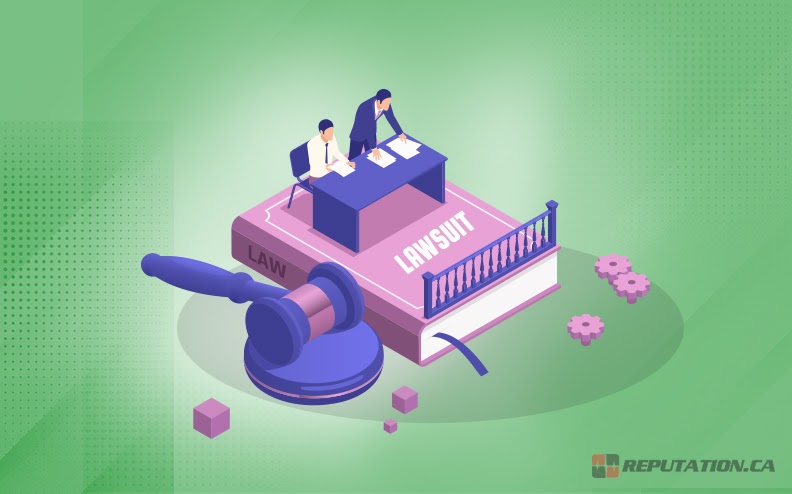
A few wrongful termination cases against big-name businesses have turned into full-blown PR disasters – and not because of anything that happened in a courtroom. The story itself does most of the damage, well before any final ruling ever comes in. The public reads the allegations, forms an opinion and moves on. The company is left with that reputation for years afterward. At that point, a favorable legal outcome doesn’t fix nearly as much as you’d expect it to.
Customers start to ask questions about your internal culture. Partners start to quietly reassess if they actually want their name attached to yours. Future employees will do their homework, and plenty of them will walk away from an opportunity the second that they see a lawsuit in your history. Word gets around faster than most businesses plan for it, and a reputation that’s taken a hit doesn’t fix itself – it takes a real, steady effort to repair it.
Legal disputes raise questions that no marketing budget can answer. A well-placed ad campaign won’t undo a high-ranking court filing on the first page of a Google search – it costs far less to stay away from these problems than to clean them up afterward, and wrongful termination claims are one of the more preventable problems a business can run into.
Loose Talk Can Slowly Close Client Doors
Word-of-mouth damage after a termination is one of the trickiest problems to get ahead of, mostly because it’s nearly impossible to trace. Clients, vendors and anyone connected to your wider industry are all possible audiences for those conversations.
Plenty of these conversations happen very out of view. Lunch meetings, quick phone calls or a passing comment at an industry event – none of it gets documented, none of it gets timestamped, and none of it leaves a trail that you can follow later. With no record of what was actually said or who said it, it’s nearly impossible to track down where the damage actually started.

The last time you lost a client without any actual explanation (maybe they stopped returning calls or gave you a vague reason that just didn’t add up), you never actually got to the bottom of it. That uncertainty has a way of sticking with you. In plenty of cases, the answer is in a conversation you were never part of. A former employee with the right connections can quietly change the way that your business gets talked about, and without any record of what was said, you never get a chance to set the record straight.
Reputational damage like this is especially tough in close-knit industries where everybody tends to know everybody. Word moves fast through those informal circles, and a few pointed comments from a disgruntled former employee can quietly close doors well before there’s any sign that something is wrong.
The damage to relationships is usually gradual (spread out over weeks or months of small, hard-to-track moments) – it’s what makes it so hard to trace back to any single source, because by the time a pattern starts to show, the narrative can already be set.
How Leaked Data Can Hurt Public Trust
A fired employee can do damage with what they say out loud – but the moves they make quietly are usually the bigger concern. Internal emails, sensitive documents, financial records – any data that they can still get to can become a liability if they’re angry enough to use it.
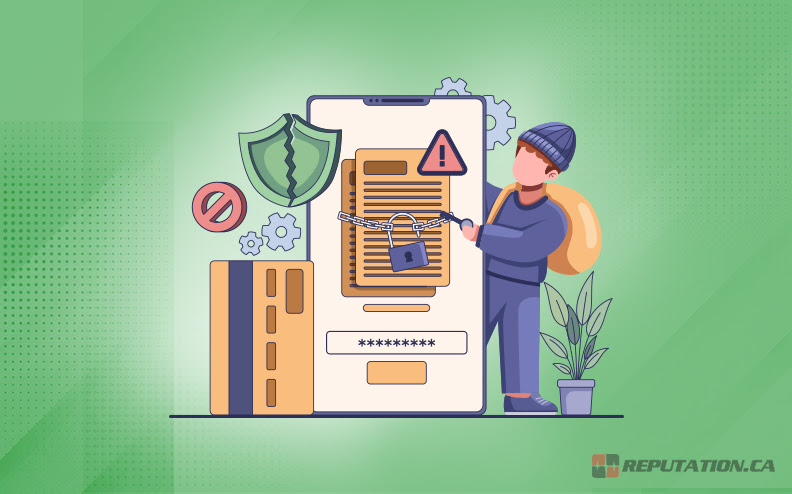
A former Amazon engineer was sentenced to prison after he logged into cloud systems he no longer had any authorization to access – all because his credentials were never revoked after he left the company. His access stayed open. That gap in coverage (even if it’s only a few hours wide) is all it takes.
Internal screenshots get posted to social media, trade secrets get passed to a competitor, and sensitive documents find their way to a journalist who is ready to run a bad story. Any one of them can take years to recover from. Clients start to lose confidence, partners get nervous, and the story tends to travel much farther than the original post or piece ever did.
Employee accounts, shared drives, project management tools and communication apps all hold sensitive data – and the volume of it builds up fast. If a terminated employee still has valid login credentials the day after they leave, that’s a liability, and it’s one I see regularly. That access needs to be revoked on the same day (or the same hour) as the termination. It’s one of the simplest and most cost-free steps a business can take to protect itself.
Treat People Well on the Way Out
How you part ways with a person matters just as much as the choice to part ways at all.
The paperwork comes first. Before anything else, get your records in order – the reasons for the termination, the timeline of events and any relevant conversations that brought the situation to that point. A paper trail is a great legal protection, and it gives you something reliable to reference if questions come up months later.
Exit interviews are also worth your time – even when they didn’t end on the best terms. A short conversation will do.

Severance agreements and confidentiality clauses are also tools to have. A fair severance package helps keep it civil – it removes the reason they’d have to speak poorly of your company on the way out. Confidentiality agreements, when the law allows, help draw a line around sensitive information so the whole process doesn’t turn into a legal dispute.
What employers miss is how much dignity matters in this whole process. An employee who walks away with the sense that they were treated with respect is far less likely to go out of their way to damage your reputation afterward. That doesn’t mean you have to make it a warm, pleasant experience or pretend that the relationship ended on great terms – it just means you stay decent about it.
A termination doesn’t have to leave a mark on either side. When it’s handled well, it ends cleanly, and neither side has any reason to revisit it.
How You Do It Matters a Lot
Few conversations in management are harder than the ones where you have to let go. How it gets handled matters the most.
Put yourself on the other side of that conversation (this person just lost their income, their schedule and in some cases a big part of their identity), all in a single meeting. Walking out feeling brushed off or disrespected – it stays with them. Word gets around.
Tone and timing can either move a conversation in the right direction or drag it somewhere that’s hard to come back from. A reply that feels cold or rushed can take what was a manageable situation and turn it into a reputation problem. No one has to walk away happy (that’s not necessarily a simple goal), but they do need to walk away feeling like they were treated with dignity.

The way something gets said can matter just as much as what’s actually being said. Full attention, genuine room to respond and an honest conversation that doesn’t tip into cruelty – these are small gestures. But they amount to quite a bit. No one owes a long explanation for every call they make, and endless apologies don’t actually help anyone either. Be present and be decent – it’s more than enough.
A Friday afternoon dismissal, with no one around to answer questions, tends to feel pretty punishing – even if that was never the intention. Little decisions like that carry actual weight, and they send a message even if you didn’t plan it that way.
None of this is a guarantee – they can still walk away frustrated. Even so, far fewer will go out of their way to publicly tear into a company that treated them with respect – even when it legitimately hurt.
Monitor and Manage Your Reputation
Plenty of decent and well-intentioned organizations find themselves there – usually because they didn’t think through every angle before they made a hard call. The fact that you’re asking these questions now, already in that position, puts you well ahead of where most are when it counts.
The dangers covered in this piece (viral social media posts, leaked data, quiet word-of-mouth damage) can be quite a bit to take in when you see them all laid out at once. The great news is that the steps to protect yourself are just as real and just as manageable. An offboarding process, quick access revocation, responsive communication and a basic level of human decency aren’t all that hard to pull off. They just usually get skipped when everyone’s attention is on the legal checklist, and the team just wants to move on as fast as possible.
A fired employee with a grievance obviously has options – but then again, so do you. The way the termination was handled, how your company responds to any public feedback and the policies and systems already in place all have a genuine effect on what comes next. None of that’s a guarantee, of course. That said, a company that takes this seriously will be in a much stronger position than one that doesn’t.

Reputation management is something you have to work at, and the right team in your corner makes a real difference. Canada’s top experts in reviews, social media, public relations and crisis response are here to help you take back control.
If cancel culture is a concern or you just want a stronger presence online, we at Reputation.ca have what it takes to get you there. Get in touch with us and get advice that actually fits your situation.