You spent hours researching and writing your Wikipedia submission. Everything was formatted the way it should be, and all your sources were cited the way they wanted them. Then the rejection email lands in your inbox – just a wall of technical policy language that almost contradicts itself.
The editor who rejected your page gave you one set of feedback, and it doesn’t quite align with what another editor said in a different forum thread. Your content is stuck in limbo at this point, and it’s almost impossible to tell if you can fix this or if you’ve just hit a dead end.
Wikipedia editors reject most new submissions – around 64% of Articles for Deletion discussions end with the page getting removed. These are volunteers whose main job is to protect Wikipedia’s reputation as a reliable source and to follow the rules. They have to enforce notability standards, sourcing standards and conflict-of-interest policies, and there’s not much room for flexibility with those standards. When something feels arbitrary or unfair, it’s usually because the call is based on community agreements that were made years ago about how to keep the quality high.
When Wikipedia rejects your page, what comes next depends quite a bit on which way you submitted it originally. Your page might wind up in a public debate forum, get quietly deleted from the system or land in the draft space where it gets reviewed privately – and each one of these scenarios gives you different options for what comes next. The timelines are different, the reviewers who make decisions are different, and your odds of successfully appealing the rejection are different, too.
Let’s talk about what you can do when your Wikipedia page gets turned down.
What Happens to Most Wikipedia Submissions
Rejection rates have gone up quite a bit over the last few years. Over 40% of nominated articles get deleted, and a large portion of what gets submitted will never actually make it onto the live site.
All the editors who review Wikipedia submissions are volunteers – they’re not being paid a cent for this work. They maintain an accurate and reliable encyclopedia that millions of readers around the world depend on every day. They’re not trying to gatekeep or make your experience a hard one – they’re just following the editorial rules that Wikipedia has built and refined over the last 20 years.

Those standards have become stricter and stricter over the years as Wikipedia has grown. Articles about businesses and people who are alive get put under a lot more scrutiny than other topics do. Wikipedia learned over time that these particular subjects usually attract more promotional content and biased edits, so the bar for what counts as legitimate proof is much higher for them.
The rules are pretty frustrating when you’re on the receiving end of a rejection (especially if you put lots of work into a page). These standards are there for a reason, though. If you don’t have them in place, Wikipedia would be overrun with marketing spam, vanity pages and articles that are full of claims that nobody can verify or back up with reliable sources.
When a page gets deleted, it’s just part of how the site protects its reputation as a reliable resource across those millions of pages. Your page wasn’t rejected because an editor has a grudge against you or dislikes your topic. It was turned down because it didn’t meet the standards that Wikipedia uses to review all new submissions.
The Seven-Day Review Process
It first goes through what Wikipedia calls Articles for Deletion, or AfD, if you want to be quick about it. This review period lasts 7 days, and during that time, Wikipedia editors will come in to talk about the page and vote on its fate – if it stays published or if it gets removed from the site completely.
In those 7 days, editors from across Wikipedia will come by and weigh in on what should happen. Most of them will vote to either leave the page up, delete it or merge any relevant information into a different page that already exists. Anyone can come back months or years later to look up the conversation and read through everything that was said. Every comment an editor leaves during this process gets archived as a permanent public record.

You could be tempted to jump into these discussions yourself and defend your page. Don’t do it.
Wikipedia editors aren’t interested in emotional pleas or long explanations about why a person deserves to have a page. Evidence is what matters to them, and by evidence, I mean verifiable sources paired with solid references that support every claim made on the page.
Most of these discussions revolve around a single core issue, and it’s usually the same one – notability. The subject needs to meet Wikipedia’s notability standards and justify having its own page. This dominates the majority of deletion debates on the platform. When it comes up, editors on each side will reference different policies to support their argument for why the page should either stay up or be removed completely.
Once those 7 days wrap up, a Wikipedia administrator will step in and go through the comments that were submitted. The final call that they make is based on how well each argument matches up with Wikipedia’s policies. The vote count itself matters way less than the arguments! Admins are actually allowed to leave a page around even when more editors voted to delete it, just as long as the arguments for keeping it are stronger and line up better with Wikipedia’s policies.
What Makes a Topic Notable on Wikipedia
Most Wikipedia pages get rejected, and the main reason tends to be that they don’t meet the notability standards.
Notability is simple when you see how it works. Wikipedia wants to see coverage from independent sources – and by independent, I mean sources that have zero connection to you or your company whatsoever.
Your company blog won’t work for this. Press releases won’t help you with that either – Wikipedia editors don’t actually see those as legitimate sources at all. What they’re looking for is coverage from independent journalists or academics who chose to write about your topic on their own. These are writers who weren’t asked to cover it, weren’t compensated for doing it and weren’t prompted by any outreach or marketing effort. They wrote about it because they found the subject matter interesting and worth their time.
Directory listings and quick mentions aren’t going to cut it for Wikipedia’s standards. A one-sentence blurb about your company in a startup database somewhere won’t prove why your subject matters or deserves an entry. What Wikipedia wants to see is feature articles and detailed coverage – the kind where a journalist or writer spent the time to do research and write something substantial about your topic. That means full articles in newspapers, in-depth magazine profiles or other meaty pieces that cover more than the surface-level information.

Reliability should matter just as much as independence when you’re looking at possible sources. Big newspapers like The New York Times are always going to be a solid choice for building authority. Academic journals also work extremely well for this. Respected trade publications in your particular industry can qualify, too. Even the local news outlets will count. But only if their coverage has enough substance and depth to it.
Wikipedia editors are going to look at the quality and the quantity of your sources when they review your submission. A single piece almost never cuts it, even if it’s a great one. In most cases, you’ll need to find multiple independent sources that actually get into the specifics instead of just scratching the surface. What the editors want to see is evidence that your subject has left a mark or earned some recognition in its field.
Make sure that somebody else hasn’t already covered this topic before you spend hours on a draft – it could save you plenty of wasted effort!
How the Draft Review Process Works
A rejection doesn’t mean your Wikipedia page is gone forever. Wikipedia has what’s called a draft space, and it’s built for articles that need some work before they can be published to the main site. Draft space has the room to fix whatever problems came up during the review, and you can take your time with the edits without millions of readers looking at a page that’s still got problems. It’s a much better place to work on your content and get everything to meet Wikipedia’s standards.
The Articles for Creation system pairs you with experienced Wikipedia editors who will review your draft and give you feedback on everything that needs to be fixed or improved.
These are volunteer editors who donate their personal time to help newer contributors learn about what makes a strong Wikipedia page. When they review your work, they’ll add comments throughout your draft to point out which parts are heading in the right direction and which sections still need more work.
If you need some extra help, the Teahouse forum could work well for you. It’s a community of volunteers who are happy to answer questions from contributors who are just starting out with editing. There’s also the Help – Contents page that has plenty of written guides about the different parts of editing. That one is helpful if you’d like to sit down and read through everything at your own pace.
Rejections are pretty common in the draft space, and plenty of articles go through this process multiple times before they finally get approved. Each time your draft gets rejected, it’ll come back with feedback from the reviewers. Usually, they’re pointing out the same problems that need attention, or sometimes they’ll flag something new that you didn’t catch the first time around. Remember, these reviewers are just trying to help so you can meet Wikipedia’s standards (they’re not out there trying to shut down your work or make it harder than it needs to be).
Reviews can take anywhere from a few days to a few weeks, and this depends on the number of other drafts currently sitting in the queue and how available the volunteer reviewers are at that particular time. The process itself is pretty simple – your draft goes into the queue after the submission, and it’ll wait there until an available reviewer can look it over. When the review comes back, you’ll go through their comments, make whatever changes that are needed based on their feedback and send it back in for another round of review.
The cycle continues like this until your draft eventually gets accepted, or until you decide to move on and try something else instead. It can take quite a while to get through the whole process because the reviewers are all volunteers who look at the drafts whenever they have some free time available. Nobody is being paid to rush through these reviews, so patience is really a part of this whole system.
If Wikipedia doesn’t work out for your page, that’s okay – you still have plenty of other places where you can share your information.
These alternatives won’t have the same reach or authority as Wikipedia – I won’t sugarcoat that part. They all have their own strengths, and one of them could be a better fit for you anyway, depending on what you’re trying to accomplish.
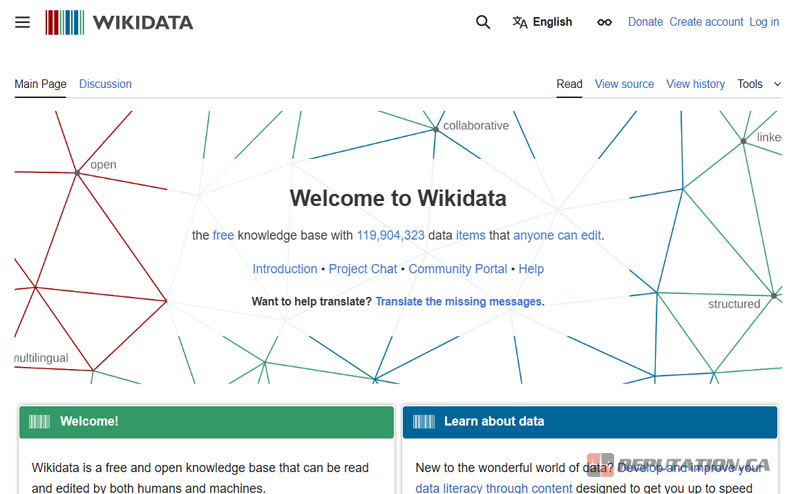
Wikidata doesn’t get as much attention as it should, and it’s a decent alternative if Wikipedia feels out of reach. Wikipedia is all about full-length articles. Wikidata works with structured data entries instead. What this actually means is that you can add basic facts about a person or organization without having to jump through the notability hurdles that Wikipedia is known for. It’s much easier to get listed because you’re just filling out the database fields with factual information – you don’t have to write an entire encyclopedic piece from scratch.
Industry-focused wikis are worth looking at if Wikipedia isn’t the right fit. Different fields have their own knowledge bases, and they all follow different standards than Wikipedia does. A gaming company would be a better fit on a video game wiki. A local historical figure could fit into a regional history database. These sites serve smaller, more niche audiences, so they’ll usually accept the content that Wikipedia won’t take.
You could also create your own website or blog where you can document the information that has genuine value, even if it doesn’t quite fit the strict standards that encyclopedias ask for. The nice part about going in this direction is that you’ll have full control over what gets published and how it’s presented. You’ve also got other knowledge sites out there – fandom wikis, academic repositories and similar sites that could have been a better fit, based on what your subject is and what you’re hoping to accomplish with the information.
None of these alternatives is going to have quite the same level of recognition as Wikipedia does. Wikipedia has built up a large amount of trust over the years because of its strict editing standards and the fact that it’s everywhere online. Each one still gives you a legitimate way to save and distribute the information to readers who are looking for it. A smaller group of readers who are really interested can be better than trying to squeeze your content onto a site where it doesn’t fit!
Monitor and Manage Your Reputation
A Wikipedia page rejection can be pretty discouraging if you’ve already put hours of work into the draft. A rejection doesn’t necessarily mean that your subject isn’t worth covering, though. Wikipedia has built its entire reputation on maintaining extremely high standards, and those strict policies are actually what make it one of the most trusted resources on the internet. When editors push back on your submission, what you get is free feedback from reviewers who know the platform’s expectations at an expert level.
Once you have that editor feedback in hand, your job is to use it to make your draft better. Maybe the sources weren’t strong enough – if that’s the case, you should dig around for some more articles from reliable, well-known publications that have covered your subject. Maybe notability was the problem – and if that’s what’s holding you back, you might need to hold off on resubmitting until there’s more independent coverage out there. Other situations might mean that a different platform altogether would be a better fit for what you want to accomplish. Whatever path you go with, at least now you have a much sharper picture of what Wikipedia actually wants and if that makes sense for your situation.

At Reputation.ca, we can help if you want a better sense of what comes up when someone searches for you online. We work with our clients on review management, social media strategy, public relations and crisis response when situations come up that need immediate attention. Maybe you have a tough situation right now, or maybe you just want to build a stronger online reputation over time.
In either case, we know the Canadian market and can put together a plan that makes sense for what you want to accomplish. Contact us if you want help that’s built for your own situation.